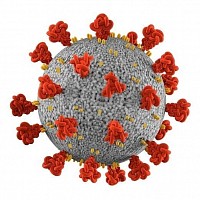
Transmission of Influenza Virus
What Happens Inside the Body?
After the influenza virus enters the body, the virus infects cells in the respiratory tract, including the nose and throat.
The virus uses the host cell’s machinery to replicate rapidly, producing many copies of itself. As the virus multiplies, the viral load in the body increases, which leads to symptoms.
1. Incubation Stage (1–2 days)
The virus begins to multiply inside respiratory cells, but symptoms are not yet visible.

2. Symptomatic Stage
The body’s immune system reacts to the virus and produces inflammation to fight the infection. Influenza symptoms usually appear at day 4 after infection.
Common symptoms include:
- Fever and chills
The body temperature becomes higher than normal, and the person may feel cold and shiver.
- Cough
The body tries to clear the throat or lungs by pushing air out suddenly.
- Sore throat
The throat feels painful, dry, or uncomfortable, especially when swallowing.
- Runny or blocked nose
The nose may produce a lot of mucus (runny nose) or feel stuffed and difficult to breathe through.
- Muscle aches
The muscles in the body feel sore or painful, making movement uncomfortable.
- Headache
Pain or pressure is felt in the head.
- Fatigue or tiredness
The body feels very weak and lacks energy, even after resting.

Fever

Running nose

Headache
During this stage, infected individuals are most contagious.
3. Recovery Stage
After about a week, the immune system gradually clears the virus and symptoms begin to improve. However, some people may continue to feel tired or have a cough for several days.

Understanding how the virus grows in the body helps scientists develop better strategies to control influenza.