Prevention & Treatment
Prevention for Influenza Disease
Vaccination
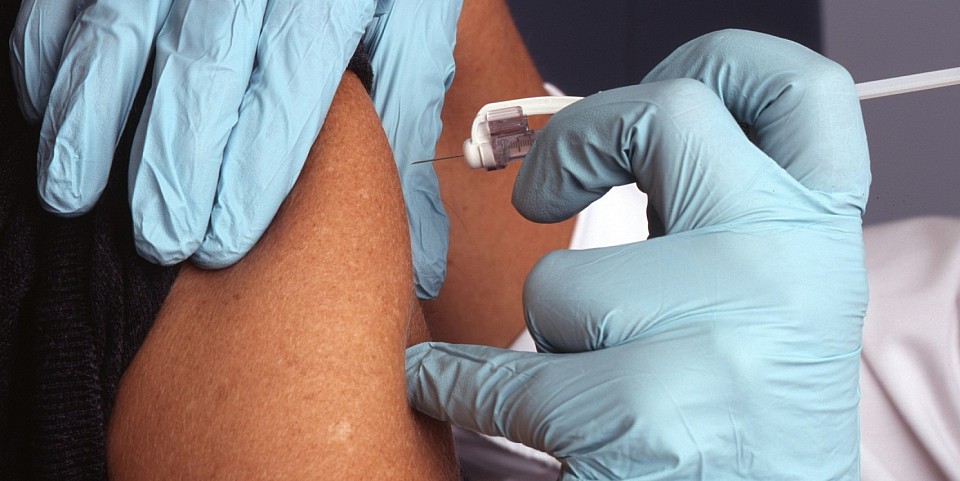
Vaccination: The Best Protection
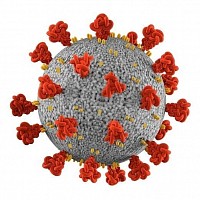
Vaccination is the most effective strategy to prevent influenza infection. Influenza vaccines stimulate the immune system to produce antibodies that recognise and neutralise the virus. If a vaccinated person encounters the virus, their immune system can respond more quickly and effectively.
Vaccination also protects communities by reducing the spread of the virus especially when many people are immunised.
However, influenza viruses change frequently through a process called antigenic drift. These small genetic changes alter the virus surface proteins. Antigenic drift can reduce vaccine effectiveness if the vaccine strain does not match the circulating virus strain. For this reason, influenza vaccines must be updated every year to match the most common virus strains.
Therefore, influenza vaccines must be updated every year, and people are encouraged to receive the latest annual flu vaccine to ensure the best protection.
Hygiene Practices
Good hygiene habits also help in preventing the spread of influenza.
Important practices include:
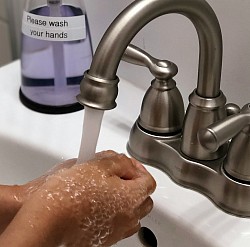
• Washing hands regularly with soap and water
• Covering the mouth and nose when coughing or sneezing
• Wearing masks during outbreaks
• Avoiding close contact with sick individuals
• Staying home when feeling unwell
Children are encouraged to develop these responsible health behaviours to reduce the spread of influenza disease.
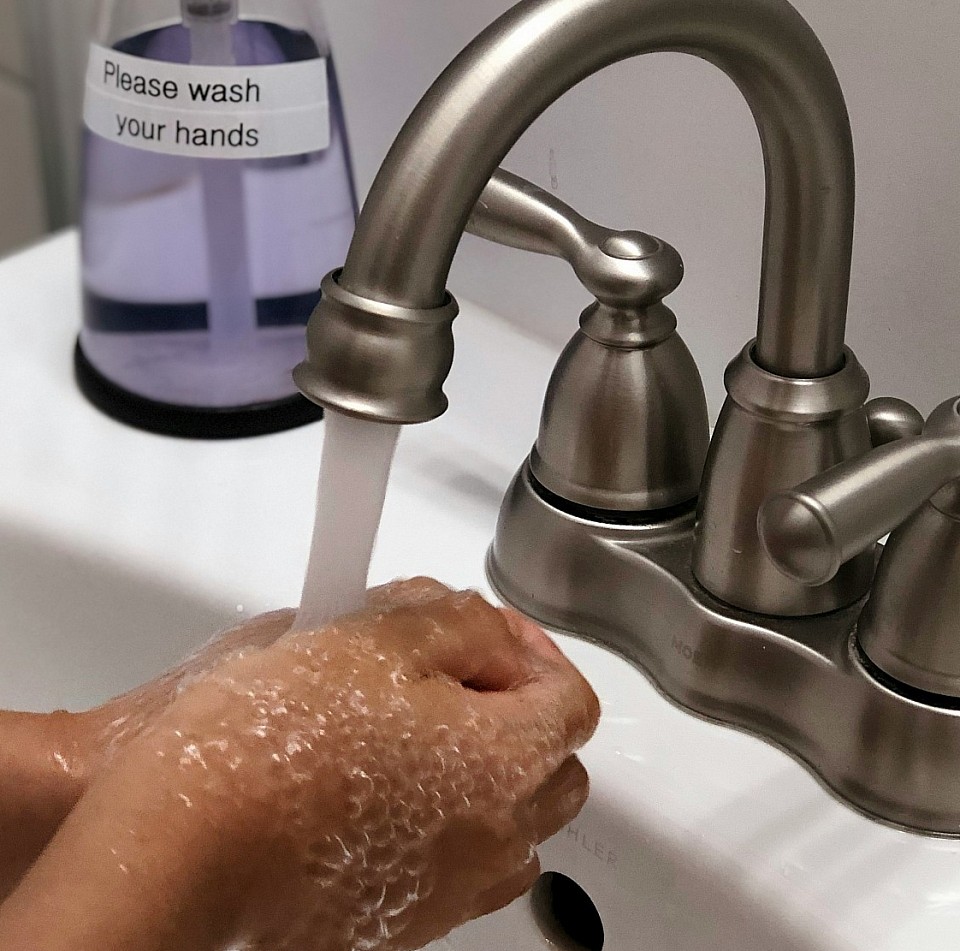
Wash hand regularly with soap and water

Wearing mask when sick

Keep social distance with infected person
Treatment
Most people with influenza recover with rest and supportive care.
If a person becomes infected with influenza, several recommended treatments can help support recovery, including:
- Getting enough rest
Rest allows the body to conserve energy so the immune system can fight the virus more effectively and support faster recovery.
- Drinking plenty of fluids
Fluids such as water, soup, or warm drinks help prevent dehydration and soothe the throat, especially when the body has fever.
- Taking medication to reduce fever if necessary
Fever‑reducing medicines can help lower body temperature and relieve discomfort such as headaches and body aches, making the patient feel more comfortable while recovering.